Introduction
A construction time lapse camera allows project teams to capture the full visual story of a build from the first stages of ground works through to completion. Instead of relying on occasional photographs or written reports, construction companies can document progress automatically using scheduled image capture. Over the course of a project, thousands of images are recorded and later compiled into a time-lapse sequence that shows how the development evolved over time.
Builders, developers and infrastructure teams increasingly use time-lapse monitoring to improve reporting, provide transparent progress updates and create visual records of major projects. When organisations begin researching time-lapse hire services, one of the first questions that often arises is what type of camera equipment is actually used on site and how these systems operate in demanding construction environments.
TLDR
A construction time lapse camera records a building project by capturing images at scheduled intervals throughout construction. These images are uploaded to a cloud platform where project teams can review progress remotely. Professional monitoring systems combine high-quality cameras such as the Sony ZV-E10 with solar power, weatherproof housings and 4G connectivity so they can operate on site for 1 month up to 5 years basically maintenance free. For builders and developers, time-lapse monitoring creates a consistent visual record of project progress while also producing footage that can later be used for reporting, stakeholder updates and project marketing.
Why Construction Projects Use Time Lapse Monitoring
Construction sites present harsh conditions for electronics. Equipment must operate through dust, rain, vibration and long exposure to outdoor environments. Cameras installed on site may remain in place for months or even years, capturing images automatically throughout the entire build.
Purpose-built monitoring systems solve this challenge by combining professional cameras with weather-protected housings, solar power units and remote connectivity. These systems are designed for continuous operation and require very little maintenance once installed. Real world use of long term construction time lapse systems can still present challenges around power reliability, storage management, and camera positioning. These practical considerations are often discussed by professionals working on similar projects, offering useful insight into what it takes to maintain consistent performance on site. You can explore a discussion around long term setups and on site challenges here.
For project teams, the benefits are practical. Consistent image capture creates a visual timeline that documents key milestones during construction. Stakeholders can review progress remotely without needing to visit the site, while developers gain valuable visual assets that can later be used for presentations or marketing.
Should You Buy or Hire a Construction Time-Lapse System
When planning a time-lapse setup for a construction project, one of the first decisions is whether to purchase equipment or use a managed hire service. While buying a camera system may seem like a simple option, it also introduces additional responsibilities such as installation, power setup, infrastructure to store and host thousands or tens of thousands of high resolution images, no online portal in most cases of buying, large mobile data consumption not suitable for most businesses, connectivity management and ongoing maintenance across the life of the project.
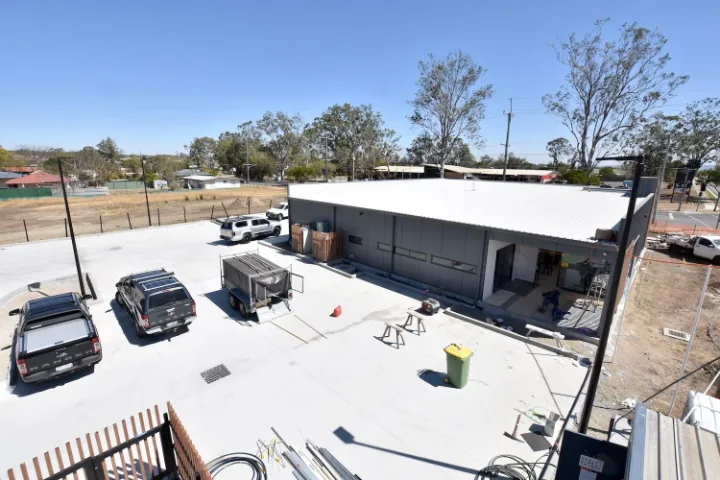
For most construction and infrastructure projects, a hire solution provides a more practical approach. Providers such as On Time Lapse construction camera hire are installed, configured and optimised for the specific site conditions. This includes camera positioning, solar power integration and remote connectivity, all data included, fast replacement should the unlikely event of a failure occur, online portal and ensuring reliable operation without requiring internal resources to manage the setup.
A managed service also ensures ongoing system performance. Construction environments change throughout the build, and factors such as weather, site movement and access restrictions can affect camera operation. With a provider like On Time Lapse, systems are monitored remotely to maintain consistent image capture and minimise downtime.
Another advantage is streamlined data access. Images are automatically uploaded to a secure cloud platform, allowing project teams to review progress in real time, share updates with stakeholders and generate visual reports without manual handling.
For projects requiring reliable, long term monitoring, hiring a time-lapse system through a specialist provider like On Time Lapse offers a structured and scalable solution compared to purchasing and managing equipment in house.
Cameras Used In Professional Time-Lapse Systems
The camera itself is only one part of a construction monitoring system, but image quality plays an important role when thousands of images are captured over the life of a project.
Professional time-lapse providers often use cameras from manufacturers such as Sony, Canon and Nikon because they deliver reliable still-image performance and support a wide range of lenses.
These cameras are typically installed inside sealed weatherproof housings so they can operate safely outdoors while capturing scheduled images throughout the construction period.
Sony Cameras
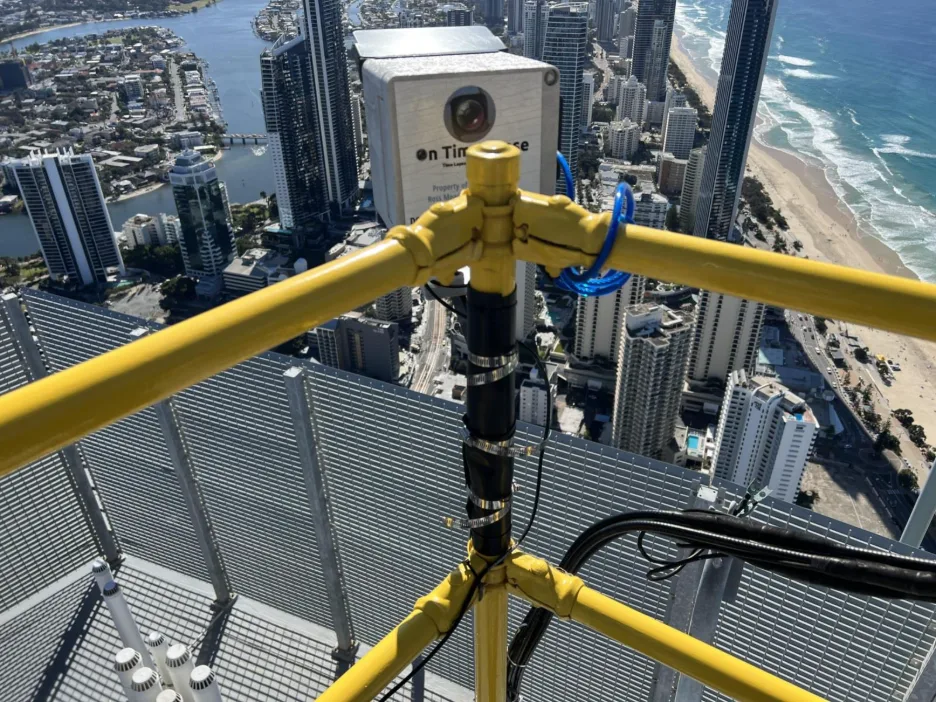
One example of a camera used in time-lapse monitoring systems is the Sony ZV-E10. This mirrorless camera provides strong image quality and flexibility for long-term image capture when integrated into a protected monitoring system.
Key advantages include:
• APS-C sensor capable of producing detailed images
• interchangeable lenses for framing large project sites
• reliable performance for interval photography
• image quality suitable for final time-lapse videos
When thousands of photos are compiled into a project sequence, higher resolution images help produce smoother and more detailed time-lapse footage.
Canon And Nikon Cameras
Time-lapse monitoring systems may also incorporate camera bodies from Canon or Nikon depending on project requirements and lens selection. These cameras are widely used in professional photography and are known for consistent still-image quality and durable shutter mechanisms.
Using established camera platforms provides flexibility when selecting lenses that suit different site layouts. It also ensures the monitoring system can capture reliable imagery throughout the duration of the construction project.
Wide-Angle Lenses For Construction Monitoring
Capturing the entire footprint of a development often requires lenses capable of wide framing. Many monitoring systems therefore use wide-angle lenses such as the Sigma 10–20mm or Sony 11mm range to capture large project areas from a single camera position.
Wide lenses allow installers to frame the entire construction site while maintaining consistent coverage as the building grows. This reduces the need for additional cameras and helps maintain a clear visual timeline of the project.
Selecting the correct lens ensures the monitoring system continues to capture meaningful imagery even as structures become taller or cranes move around the site.
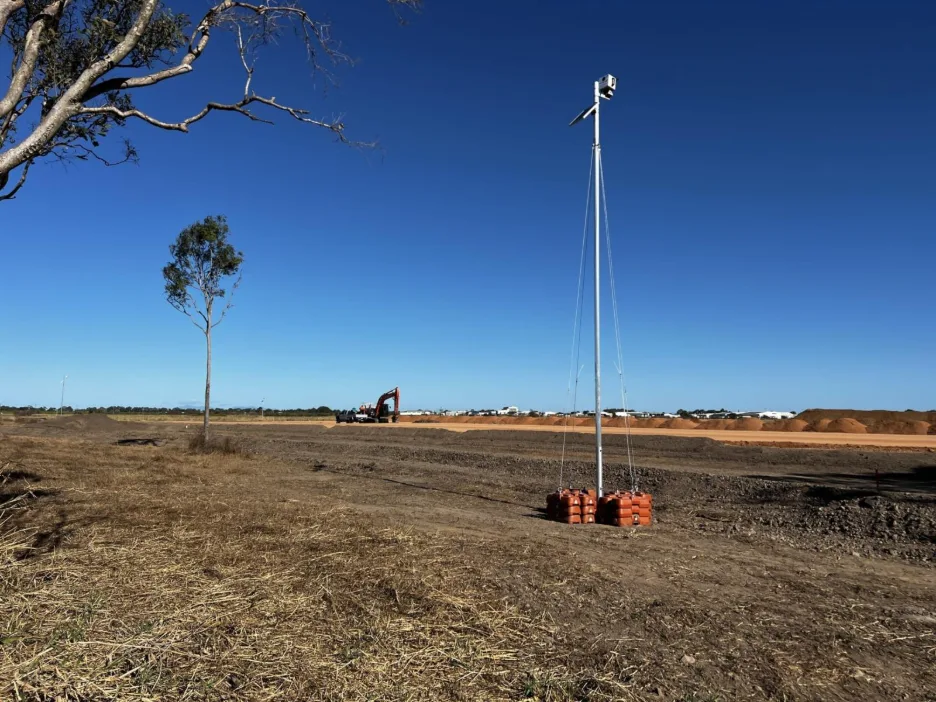
Comparing Key Features Of Monitoring Systems
When evaluating a site monitoring setup, several system features determine how effective the solution will be.
- Feature: Why It Matters
- Resolution: Determines clarity of captured images
- Lens coverage: Controls how much of the site is visible
- Connectivity: Allows images to upload to remote dashboards
- Power system: Solar units allow early installation before site power exists
- Weather protection: Ensures equipment survives outdoor conditions
These elements work together to create a monitoring system capable of operating reliably across long construction timelines.
Remote Monitoring And Project Visibility
Modern time-lapse systems allow project teams to review site activity remotely. Images captured by the camera are automatically uploaded to a cloud dashboard where authorised users can view them in chronological order.
Developers can follow project milestones, engineers can confirm construction stages and stakeholders can access visual updates without visiting the site. This centralised dashboard effectively becomes a visual archive of the project’s development.
Because images are stored automatically, teams can also export them for reports or presentations whenever required.
How Monitoring Cameras Are Installed On Construction Sites
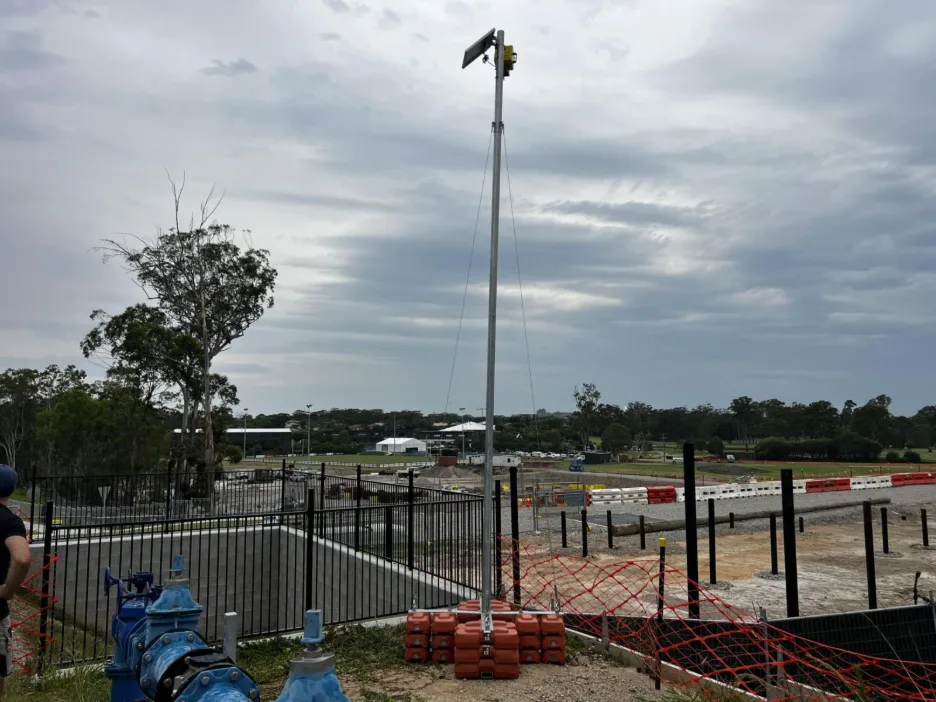
Before installation, technicians typically assess the site layout to determine the best camera position. The goal is to capture the entire footprint of the development from a stable vantage point.
Installation usually involves:
- selecting an elevated viewing position
- installing a pole mount or structural bracket
- positioning solar panels for consistent sunlight
- configuring image capture intervals
- connecting the system to the monitoring platform
Once installed, the system begins capturing images automatically throughout the life of the project.
Common Camera Positioning Mistakes On Construction Sites
Even with reliable equipment, the final time-lapse result depends heavily on camera placement. Incorrect positioning can limit visibility and reduce the usefulness of the captured footage.
One common mistake is installing the camera too low. As the structure rises, cranes, scaffolding or structural elements may block the view. Mounting cameras on elevated poles or nearby buildings helps maintain a clear perspective throughout construction.
Another issue occurs when cameras are positioned too close to the development. While this captures detailed activity, it may prevent viewers from seeing the broader transformation of the site. A wider vantage point often produces more effective time-lapse documentation.
Lighting direction can also influence image quality. Cameras facing directly into the sun may experience glare or heavy shadows during certain times of the day. Careful planning helps maintain consistent imagery across the project timeline.
Final Thoughts
On Time Lapse monitoring provides a practical way to document construction projects from start to finish. By combining high-resolution cameras such as the Sony ZV-E10 with solar power systems, weatherproof housings and cloud dashboards, modern monitoring solutions allow project teams to maintain continuous visibility of site progress.
For builders, developers and infrastructure managers, implementing a professional monitoring system ensures that the entire story of a project is captured accurately from early groundwork through to final completion.
FAQs
What camera does On Time Lapse use for time-lapse monitoring?
On Time Lapse systems use professional cameras including Sony models such as the Sony ZV-E10 along with cameras from Canon and Nikon. These cameras are integrated into weather-protected monitoring systems designed for long-term outdoor operation.
How long can a time-lapse monitoring system operate on site?
Solar-powered monitoring systems can operate for the entire duration of a construction project. Many installations remain active for several months or even multiple years depending on the build schedule.
Where should a monitoring camera be installed on a construction site?
The camera should be positioned at an elevated location that provides a clear view of the entire site. Pole mounts or nearby structures are commonly used to maintain visibility as the project progresses.
Can multiple cameras be used on one construction project?
Large developments often deploy multiple monitoring cameras to capture different sections of the site. This approach provides broader coverage and allows project teams to document progress across large infrastructure or commercial developments.